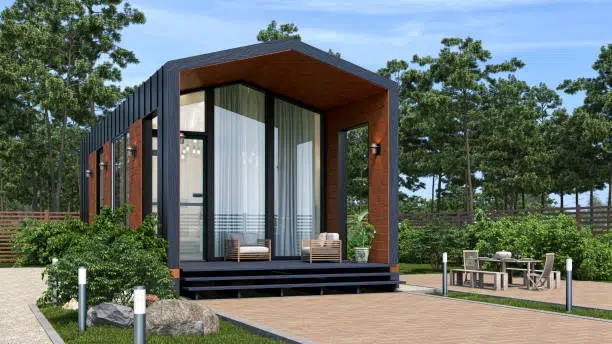

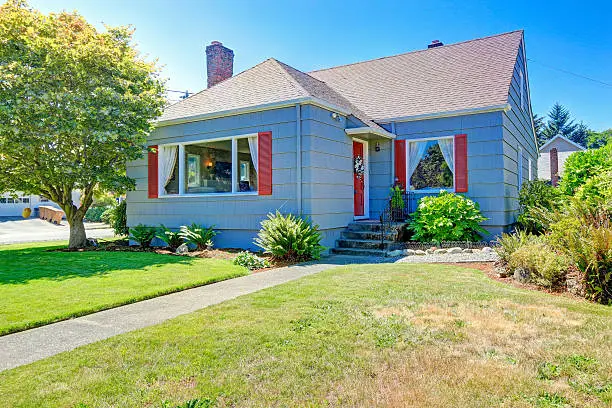
ADU vs JADU Key Takeaways
Before choosing between an ADU and a junior ADU, you should know how each one functions. Both allow homeowners to create more usable living space, whether for rental income, multigenerational housing, or a private guest suite.
However, these independent living spaces are different in size, flexibility, and cost. An accessory dwelling unit is a standalone space with its own utilities, while a junior accessory dwelling unit is a smaller conversion within your home.
Here are the main points every ADU & JADU California homeowner should know:
- Size: An ADU can be up to 1,200 sq. ft., while a junior ADU is limited to 500 sq. ft.
- Structure: An ADU can be attached, detached, or converted from a garage. A JADU must be built within the existing home.
- Utilities: ADUs have separate utilities, but JADUs often share systems with the main home.
- Bathroom and kitchen: According to the California Department of Housing and Community Development (HCD), ADUs must include a full kitchen and bathroom, while JADUs only require an efficiency kitchen with a sink and cooking appliances. A junior ADU may share bathroom facilities with the main home.
- Cost: JADUs are smaller and generally more affordable to build.
- Rental use: Both can be rented long-term, but only accessory dwelling units can be listed as completely independent rentals. All JADU requirements for rental use must meet local rental and occupancy regulations.

What is a JADU?
If you’re wondering what is a junior accessory dwelling unit, it’s designed to provide affordable, efficient housing with shared utilities and minimal construction work. Under JADU California regulations, these units can be up to 500 square feet, must include an efficiency kitchen, and may share a bathroom with the main residence. Homeowners considering interior conversions or small-scale additions can look into Bay Area home addition ideas that align with JADU design requirements.
What is an ADU?
An accessory dwelling unit is a completely separate living space built on the same property as a single-family home. It includes a private kitchen, bathroom, and separate entrance, making it ideal for rental use or multigenerational living. ADUs can be detached, attached, or created through garage or basement conversions, offering homeowners flexibility in both design and function. If you’re interested in building an ADU or would like additional insight on design options and construction standards, finding an experienced ADU builder Bay Area in your area is the first step.
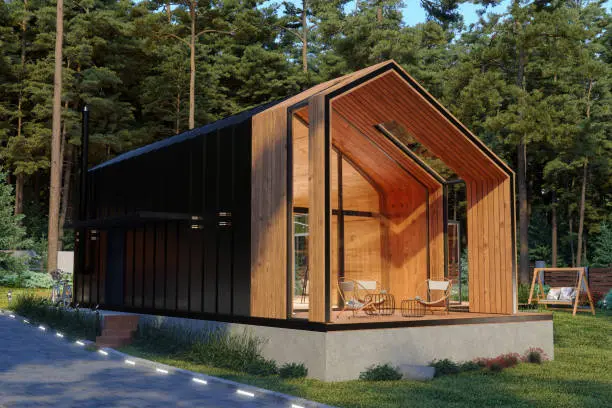
ADU vs JADU: What’s Right For You?
Now that you know what is a JADU in comparison to an ADU, choosing between the two comes down to your budget, property size, and long-term goals. The table below highlights the main advantages of both living spaces to help you decide which option best suits you.
| Benefits of Building an Accessory Dwelling Unit | Benefits of Building a Junior Accessory Dwelling Unit |
| Creates a full, independent living unit up to 1,200 sq. ft. | Offers an affordable way to add a living space up to 500 sq. ft. |
| Includes a private kitchen, bathroom, and separate entrance. | Shares utilities with the main home for lower construction costs. |
| It can be detached, attached, or built from a converted garage. | Built within the existing structure, minimizing disruption. |
| Ability to generate large rental income potential from long-term tenants. | Meets JADU California guidelines for affordable housing. |
| Increases property value and flexibility for resale. | Quicker permitting process with fewer design requirements. |
| Does not require owner occupancy, allowing full rental independence. | Perfect for multigenerational living or a flexible home office space. |
| Suitable for larger home addition projects or private rentals. | Ideal for homeowners who want to rent out a shared space and keep building costs low. |
Build Smarter with Rock bay Construction & Remodelling
Adding an ADU or junior ADU to your California property is one of the smartest ways to expand your living space and increase long-term value. Whether you need a rental unit, a private suite, or extra room for family, Rock Bay helps bring your ADU plans to life with expert design and construction support.
Build confidently, stay compliant with local California codes, and make the most of your property’s potential. Request your free estimate today and start building the extra space your home deserves with Rock Bay Construction Remodeling.
Frequently Asked Questions About ADU vs JADU
What is a junior accessory dwelling unit used for?
Homeowners can use a junior accessory dwelling unit (JADU) as a small rental unit or private living space for family. It’s built within the existing home and offers affordable, flexible housing under JADU California regulations.
Do JADUS and ADUs require separate utilities?
An ADU functions as an independent unit, so it needs its own utility connections for water, power, and gas. A JADU can share utilities with the main home since it’s built within the existing structure.
Can I rent out a JADU in California?
Yes, you can rent out a JADU in California for long-term stays. The homeowner must live on the property to meet occupancy rules. Short-term rentals under 30 days are generally not allowed under JADU California regulations.
How much does it cost to build a JADU compared to an ADU?
A junior accessory dwelling unit usually costs less to build (between $50,000 – $100,000) since it uses existing space and shared systems. An accessory dwelling unit can cost significantly more, depending on its size, materials, and construction scope.
Are there ADU and JADU requirements for fire separation and sprinklers in California?
In California, local jurisdictions will have fire and life safety rules for ADUs and JADUs. An accessory dwelling unit may need separate sprinklers depending on local codes, while JADU requirements for fire separation and sprinklers typically follow the same fire safety standards as the main home.